Easy Animal Softies: Free Sea Creature Knitting Patterns
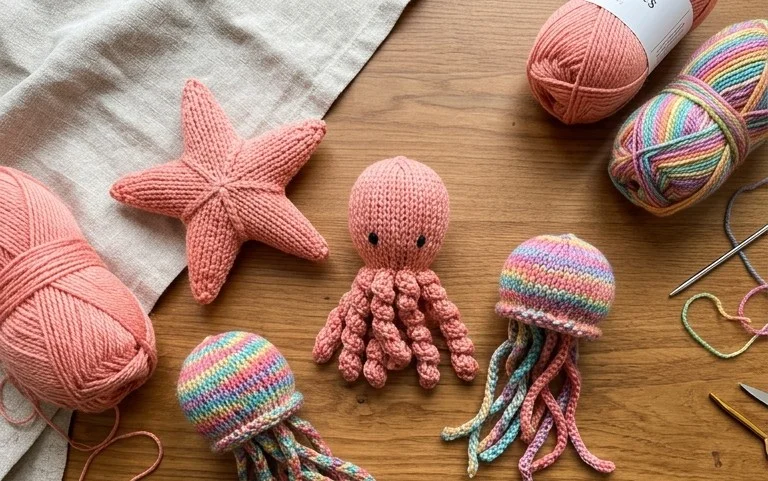
Soft yarn shapes of whales and crabs turn a ball of wool into friendly companions for a nursery or a handmade gift basket. These creatures feel firm yet squishy in your hands, providing a tactile experience that makes them a joy to construct during long evenings at home. Beginners find these projects rewarding because they rely on simple shaping techniques that build confidence with every row completed. You will learn to manipulate basic knit stitches to create rounded curves, giving each aquatic friend a distinct personality. These patterns provide the necessary structure to turn flat fabric into dimensional toys efficiently.
Why You’ll Love This Pattern
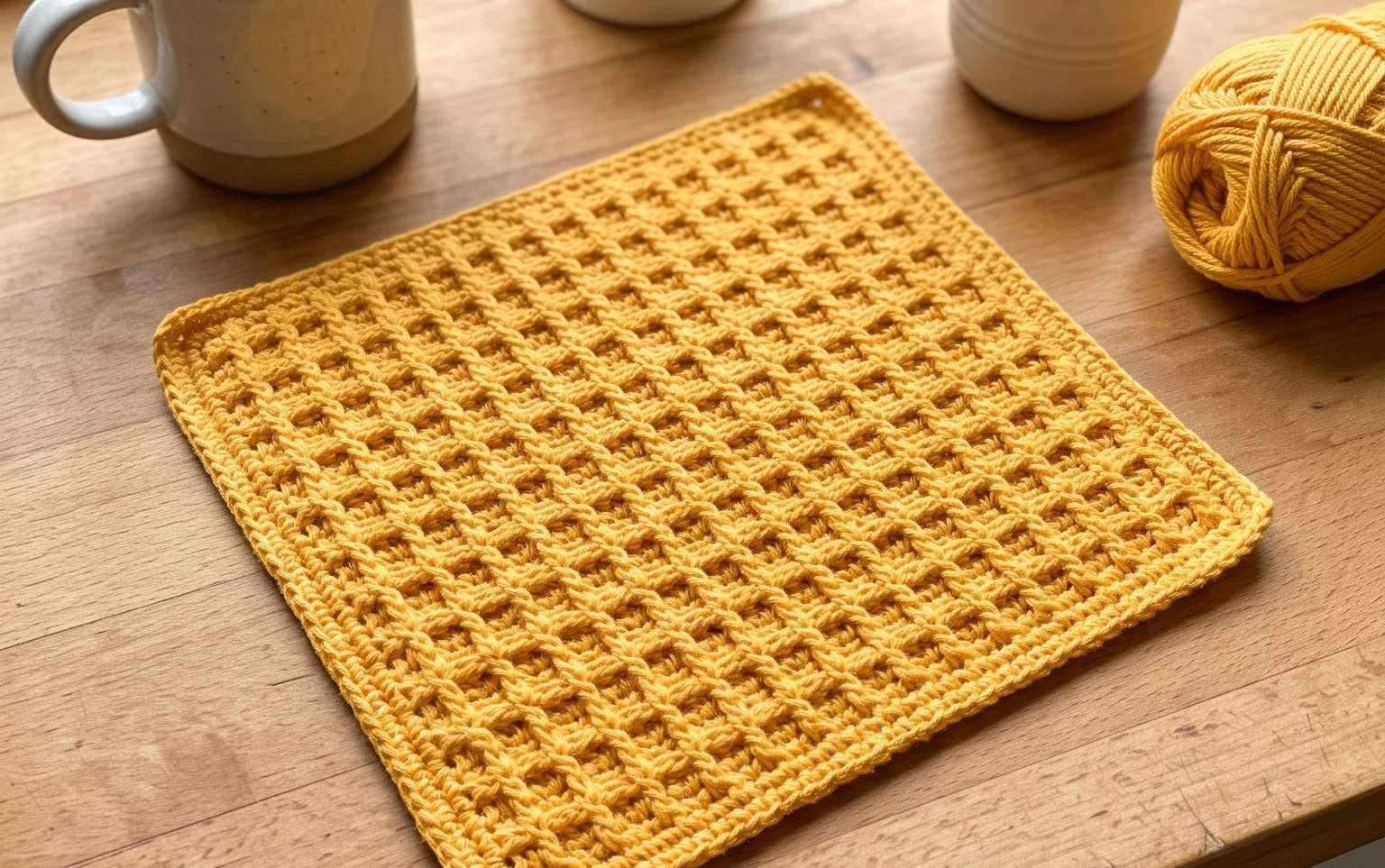
The Classic Crochet Cotton Dishcloth is a staple for every maker because it combines the durability of worsted weight cotton with the rhythmic, meditative nature of a simple moss stitch. You will find that this pattern works up in under an hour, making it an ideal choice for last-minute gifts or stocking up your own kitchen. Because it uses a simple repetitive structure, it is incredibly beginner-friendly for those just starting to master stitch tension. The fabric creates a dense, sturdy texture that holds up to daily scrubbing while remaining soft enough to handle delicate glassware.
I managed to finish three of these for my sister in a single afternoon. The instructions are very easy to follow and the finished cloth feels much thicker and more useful than store-bought ones.
— Sarah, home crafter
Pattern Overview & Skill Level
- Skill Level: Beginner
- Approximate Time: 45 to 60 minutes
- Construction: Worked flat in rows, beginning with a foundation chain and ending with a final row and border.
- Finished Dimensions: 8 inches by 8 inches
Materials & Supplies Needed
- Yarn: Worsted weight (#4) 100% cotton yarn, approximately 65 yards per cloth.
- Hook Size: 5.0 mm (H-8).
- Notions: Tapestry needle for weaving in ends, sharp scissors.
- Yarn substitutions: Linen blends work well for increased scrubbing power, while acrylic is not recommended as it does not absorb water effectively.
Stitch Guide & Abbreviations (US Terms)
- ch: Chain
- sc: Single crochet
- st/sts: Stitch/stitches
- sk: Skip
- Moss Stitch: A combination of single crochet and chain stitches where the single crochet is worked into the chain space of the previous row.
Step-by-Step Pattern Instructions
Main Dishcloth Body
- Row 1: Ch 31. Sc in the 4th ch from hook. *Ch 1, sk 1 ch, sc in next ch. Repeat from * across to end. Turn. (15 sc)
- Row 2: Ch 2. Sc in the first ch-1 space. *Ch 1, sk 1 sc, sc in next ch-1 space. Repeat from * across, finishing with a sc in the turning chain space. Turn. (15 sc)
- Rows 3-30: Repeat Row 2 until the piece measures 8 inches square.
Border and Finishing
- Round 1: Ch 1, work 1 round of sc evenly around the entire perimeter of the dishcloth, placing 3 sc into each corner stitch to keep the fabric flat.
- Finishing: Join with a sl st to the first sc. Fasten off and use your tapestry needle to weave the tail ends securely into the fabric, trimming the excess yarn close to the surface.
Care & Washing Instructions
- Machine wash in warm water on a gentle cycle to preserve the integrity of the cotton fibers.
- Tumble dry on low heat or lay the cloth completely flat on a towel to air dry, which helps prevent shrinking.
- Reshape the dishcloth while it is still slightly damp to ensure it remains square and flat for your next use.
Pro Tips & Common Mistakes to Avoid
Focus on maintaining consistent tension throughout the project; if your chains are too tight, the fabric will pull inward rather than laying flat. Use a stitch marker at the start of your border round to ensure you do not miss the corner increases, which are necessary to prevent the edges from curling. Weave your ends in by traveling through the stitches in multiple directions rather than just one to ensure the tail does not poke out after repeated washing. You can easily adjust the size by starting with an odd number of chains if you want a larger or smaller square, though keep in mind that larger cloths require more than one skein of standard 2.5 oz cotton yarn.
Frequently Asked Questions
Can I use a different yarn weight for this pattern?
You can use DK or bulky weight yarn, but you will need to adjust your starting chain count and the number of rows to achieve the desired 8-inch dimensions. Using a different weight will also change the absorbency of the cloth.
Is this pattern suitable for someone who has never crocheted before?
Yes, this is an excellent first project because it relies on the single crochet and chain stitches, which are the fundamental building blocks of crochet. The moss stitch is very forgiving if you have slight variations in tension.
How do I prevent the edges from waving or ruffling?
Wavy edges usually occur if you are accidentally adding extra stitches at the end of your rows. Ensure you are counting your stitches at the end of each row to verify you have exactly 15 single crochet stitches before you turn.
Can I sell the dishcloths I make using this pattern?
You are welcome to sell finished items created from this pattern. Please provide a link back to this tutorial if you choose to list them in an online shop.
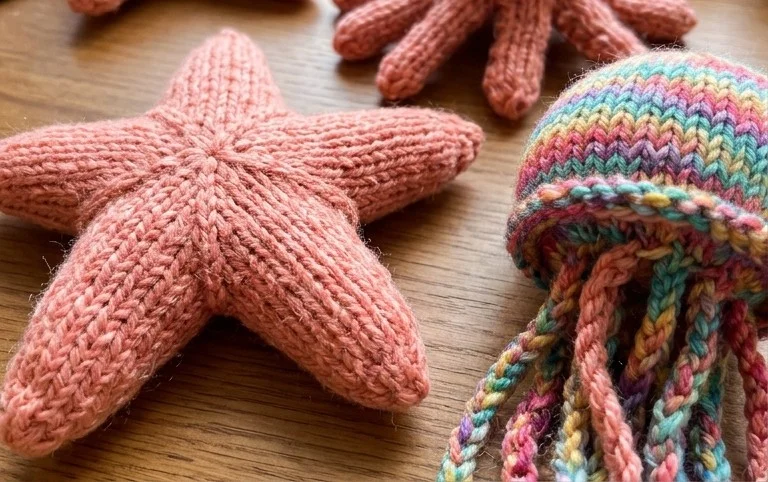
Watching a simple square of yarn transform into a small octopus or a jellyfish brings a sense of accomplishment to your craft table. You can experiment with chunky chenille yarn for a velvet texture or stick to cotton for a more defined stitch pattern. Taking a photo of your finished sea life to share with friends online helps others find inspiration for their own projects. Please visit the main project index on the blog to find more free patterns that you can start knitting tonight.