Free Crochet Mittens Pattern for Larger Hands: Easy Guide
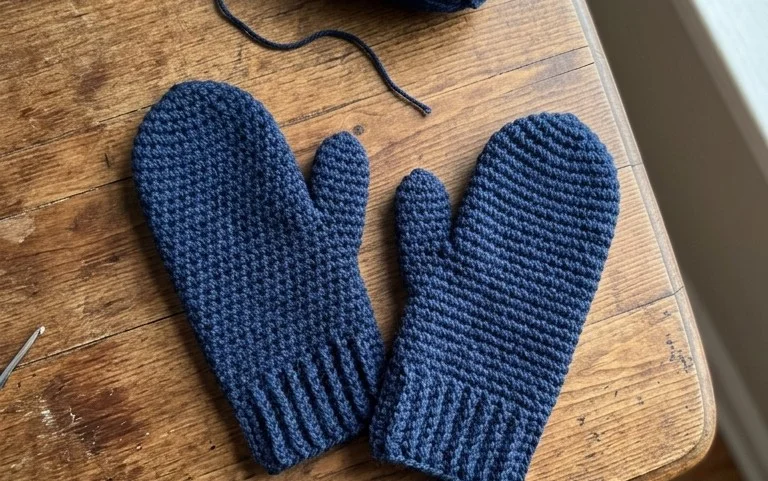
Cold winter mornings call for thick, wool-blend mittens that cover the wrist completely and feel like a warm hug on your fingers. These mittens have a generous fit to accommodate larger hands, ensuring you never have to struggle with tightness or restricted movement while shoveling snow or walking the dog. Using a simple half-double crochet stitch, you create a sturdy, dense fabric that traps heat while maintaining enough flexibility for everyday tasks. Whether you are crafting these as a thoughtful gift for a loved one or replacing your own worn-out gear, this project offers a meditative, repetitive rhythm that clears your mind.
Why You’ll Love This Pattern
The Classic Crochet Cotton Dishcloth provides a satisfying, rhythmic project that works up in less than an hour. Its simple construction relies on basic stitches, making it an ideal choice for testing out different brands of cotton yarn or practicing consistent tension. Because it uses a small amount of yarn, it serves as a functional way to use up those leftover partial skeins sitting in your stash. The resulting fabric is durable, absorbent, and designed to withstand frequent trips through the washing machine.
I finally mastered my tension while making a set of these for my kitchen, and they actually scrub dishes better than the store-bought ones. — Sarah, home crafter
Pattern Overview & Skill Level
- Skill Level: Beginner
- Approximate Time: 45–60 minutes
- Construction: Worked in flat rows starting from a foundation chain
- Finished Dimensions: Approximately 8 x 8 inches
Materials & Supplies Needed
- Yarn: Worsted weight (#4) 100% cotton yarn, approximately 45 yards per cloth.
- Hook Size: 5.0 mm (H-8) crochet hook.
- Notions: Tapestry needle for weaving in ends, sharp scissors.
- Yarn Substitutions: Use any cotton or linen blend labeled as worsted weight. Avoid acrylic or wool, as these fibers lack the necessary absorbency and heat resistance for kitchen tasks. Substituting with a thicker yarn will require fewer stitches and rows to reach the same size, while thinner yarn will result in a smaller, less effective cloth.
Stitch Guide & Abbreviations (US Terms)
- ch = chain
- st(s) = stitch(es)
- sc = single crochet: Insert hook into st, yarn over, pull up a loop, yarn over, pull through both loops on hook.
- dc = double crochet: Yarn over, insert hook into st, pull up a loop, yarn over, pull through two loops, yarn over, pull through remaining two loops.
- st st = slip stitch: Insert hook into st, pull yarn through both the st and the loop on your hook.
- turning ch = the chain made at the start of a row to reach the height of the next stitch.
Step-by-Step Pattern Instructions
Main Dishcloth Body
- Foundation: Ch 30.
- Row 1: Dc in the 4th ch from the hook and in each ch across. Turn. (28 sts)
- Row 2: Ch 3 (counts as dc throughout), dc in each st across, including the top of the turning chain from the previous row. Turn. (28 sts)
- Rows 3–18: Repeat Row 2 until the piece measures approximately 8 inches in length.
- Finishing: Fasten off, leaving a 6-inch tail. Use the tapestry needle to weave the end securely into the stitches on the back side of the fabric.
Care & Washing Instructions
- Machine wash in warm water on a gentle cycle to remove oils and food residue.
- Tumble dry on low heat or lay flat on a clean towel to retain the original shape.
- Avoid using fabric softener, as it leaves a waxy coating that reduces the natural absorbency of the cotton fibers.
Pro Tips & Common Mistakes to Avoid
Consistent tension is the secret to a professional-looking finish. If your starting chain is too tight, the bottom edge will pucker; use a hook one size larger for the foundation chain if you find your chains consistently pull too tight. Always place a stitch marker in the first stitch of every row to ensure your count remains 28; it is easy to accidentally skip the final stitch where the turning chain meets the previous row. When weaving in your ends, run the needle through the center of the stitches rather than across the surface to keep the finish invisible. If you decide to adjust the size, add or subtract stitches in multiples of two to maintain the integrity of the stitch pattern.
Frequently Asked Questions
Can I use a larger hook for this pattern?
Yes, using a larger hook will create a drapier, more open fabric. This makes the cloth dry faster between uses but reduces its ability to scrub stubborn food particles. Stick to the 5.0 mm hook for a dense, durable texture.
Is this pattern suitable for someone who has never held a hook before?
This is a perfect first project because it focuses only on the chain and double crochet stitches. Practicing these basic motions repeatedly across the rows helps build muscle memory quickly.
How do I adjust the width of the cloth?
To make the cloth wider or narrower, simply increase or decrease your starting chain by even numbers. Remember that changing the width will require more or less yardage per cloth.
Are the finished dishcloths safe to sell?
You are welcome to sell items made from this pattern. I ask that you use your own photographs for your listings and credit the design back to this tutorial when possible.
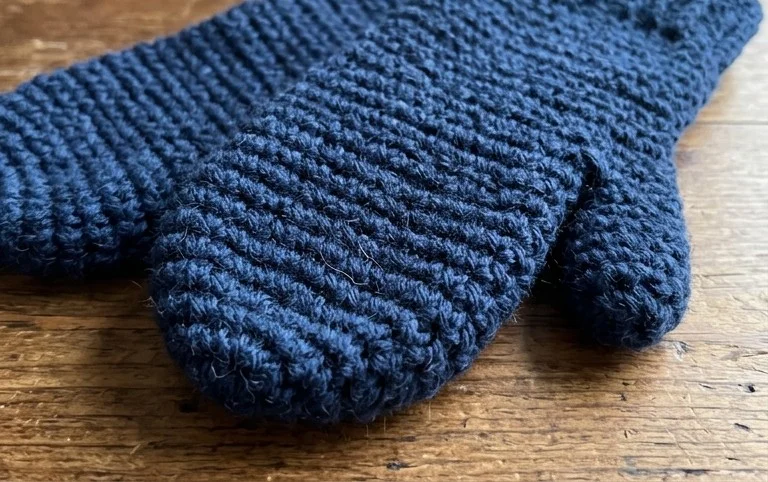
Seeing your finished handmade mittens protecting your hands against the biting wind makes all those hours of stitching worthwhile. You can personalize this pair by using a marled yarn to create a textured, rustic look or by adding a ribbed cuff in a contrasting color for extra security. Sharing a photo of your work helps other crafters find inspiration for their own winter projects. Take a moment to browse the rest of the blog for more winter accessory designs that fit comfortably and perform reliably all season long.